





Deciding to move on from your current Chrysler, Dodge, Jeep, or Ram is a significant financial moment. Whether you have your eye on a new 2026 model or just need to sell your vehicle, you want to ensure you receive the best possible return on your investment. As a dealership deeply rooted in the Asheboro community, we at Asheboro CDJR understand the questions and complexities involved in this process. With years of experience serving drivers from Greensboro to Lexington, as detailed on our About Us page, we've crafted this comprehensive guide to empower you with the knowledge needed to navigate the trade-in journey confidently and secure a fair, transparent value for your vehicle.
Key Takeaways (TL;DR)
- Establish True Market Value: Your vehicle's worth is the starting point for any successful transaction. Use trusted online resources like Kelley Blue Book and Edmunds, but also research what similar CDJR models are selling for locally in the Asheboro, High Point, and Winston-Salem markets.
- Convenience vs. Maximum Return: Trading in your CDJR at a dealership is a streamlined, all-in-one process with valuable sales tax advantages. A private sale might bring more money but demands significant personal effort, time, and risk management.
- Local Preparation is Key: The variable North Carolina weather, from humid summers to icy winter mornings, takes a toll. A detailed cleaning and addressing minor issues specific to local driving conditions can greatly enhance your vehicle's appeal and value.
- Organized Paperwork Builds Trust: Having your vehicle title, a complete set of service records, and a clean vehicle history report ready demonstrates responsible ownership. This level of preparation simplifies negotiations and instills confidence in both dealerships and private buyers.
- Negotiate from a Position of Strength: Armed with research and multiple appraisals, you can treat the trade-in as a distinct negotiation. This focus helps you advocate effectively for the best possible price for your Chrysler, Dodge, Jeep, or Ram.
- Factor in North Carolina Sales Tax: When you trade in your vehicle in North Carolina, the trade-in value reduces the taxable amount of your new car purchase. This can translate into substantial savings that should be considered when weighing your options.
Where Do I Begin When Selling My CDJR Vehicle?
The first, non-negotiable step is to establish a clear and accurate understanding of your Chrysler, Dodge, Jeep, or Ram's current market value. This figure is the foundation upon which every other decision rests. Without this knowledge, you're navigating negotiations without a map. A data-driven valuation empowers you to set realistic expectations and advocate for a fair price, whether you choose a trade-in or a private sale.
Your research should be multi-faceted. Begin with respected online valuation platforms. Websites like Kelley Blue Book (KBB) and Edmunds offer powerful tools that generate estimates based on your vehicle’s specific details—model, year, mileage, trim, and overall condition. It's crucial to obtain both the "trade-in value" and the "private party value." The trade-in value reflects what a dealership might offer, accounting for their costs to recondition and market the vehicle. The private party value is typically higher, representing what an individual buyer might pay.
However, online estimates are just one piece of the puzzle. To get a true sense of your vehicle's worth in our local market, you need to see what similar CDJR vehicles are actually listed for around Asheboro, Greensboro, and Winston-Salem. Explore local listings on automotive marketplaces. Look for vehicles that closely match yours in terms of make, model, year, and condition. This real-world analysis will help you gauge local demand and confirm whether the online estimates align with the current Asheboro-area market, giving you a confident and competitive pricing strategy.
Should I Trade My CDJR Vehicle or Sell It Myself?
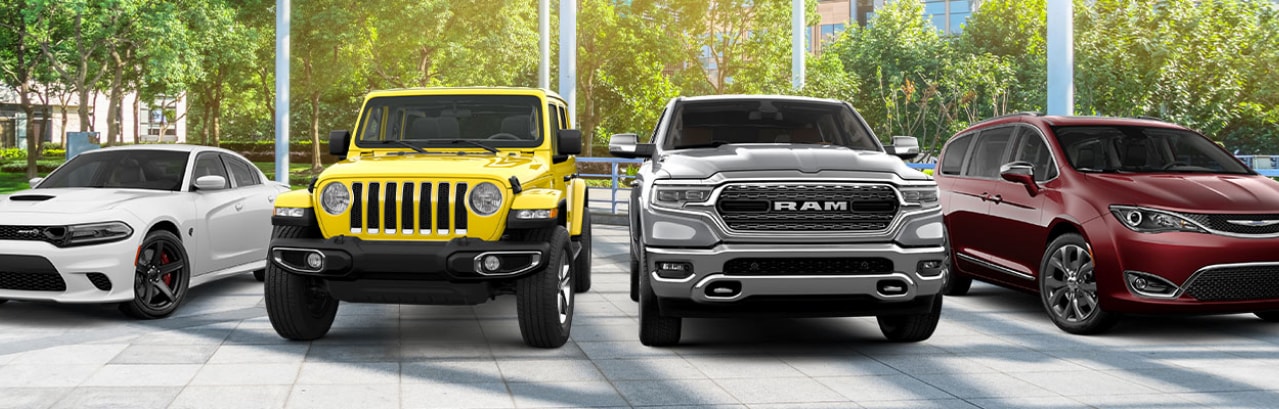
The choice between trading in your CDJR or selling it privately hinges on what you value most: ultimate convenience or maximum financial return. Trading in at a dealership like ours in Asheboro offers a seamless, efficient experience, while a private sale often yields a higher price but requires a substantial investment of your time and personal effort.
Let's explore the distinct advantages and disadvantages of each approach for drivers in our region.
Trading In Your Chrysler, Dodge, Jeep, or Ram
- Unmatched Convenience: This is the primary draw of a trade-in. You can drive your current vehicle to the dealership and leave in your new one, often in a single visit. The dealership manages all complex paperwork, from paying off any existing loan to handling the title transfer with the NCDMV. It's a true one-stop solution.
- Speed and Security: The entire process can be finalized in an afternoon. You avoid the lengthy process of creating online ads, vetting potential buyers, scheduling test drives with strangers, and worrying about secure payment methods. In today's world, this security is a significant benefit.
- Significant Tax Savings: North Carolina law provides a major financial incentive for trade-ins. The value of your trade is subtracted from the price of your new vehicle before sales tax is applied. If you purchase a $50,000 Ram 1500 and your trade-in is valued at $20,000, you only pay the 3% Highway Use Tax on the remaining $30,000. This can easily save you hundreds of dollars.
Selling Your CDJR Vehicle Privately
- Higher Potential Profit: This is the main reason drivers opt for a private sale. By taking on the role of the seller, you can price your vehicle closer to its retail value. You effectively capture the profit margin that a dealership would build into its pricing.
- Complete Control: You are in the driver's seat for the entire sale. You determine the asking price, screen potential buyers, and manage the sale's timing to fit your schedule.
- The Inherent Challenges: Selling privately is a part-time job. You're responsible for marketing your vehicle with high-quality photos and a compelling description. You must field calls and messages, weeding out low-ball offers and scams. You'll need to arrange and accompany strangers on test drives and navigate the complexities of verifying payment and ensuring all legal paperwork is filed correctly.
The right path depends on your personal circumstances. If a simple, secure, and fast transition into a new vehicle is your priority, the convenience and tax benefits of a trade-in are hard to beat. If you have the time, patience, and comfort level to manage the sales process yourself to maximize your financial gain, a private sale could be the more lucrative option.
How Do I Prepare My CDJR for the Asheboro Market?
Properly preparing your Chrysler, Dodge, Jeep, or Ram is a critical step that directly influences its value and desirability. A vehicle that looks and feels well-cared-for assures potential buyers—whether a dealership appraiser or a private party from High Point—that it has been maintained responsibly. The goal is to present your car in its best possible condition, which means a focus on cleaning, organization, and addressing issues common to our local environment.
1. Organize All Your Important Documents
Before you pick up a sponge, gather your paperwork. A complete and organized file demonstrates transparency and can significantly speed up the sales process.
- Vehicle Title: This is the proof of ownership. If you have a loan, your lender holds the title. Contact your financial institution to get the precise 10-day payoff amount, as this will be needed to complete the sale.
- Service History: Collect every receipt for maintenance and repairs. A comprehensive service file is powerful evidence of diligent upkeep, especially for capable vehicles like a Jeep Wrangler or Ram 2500, and can substantially increase its value.
- Owner's Manual: Ensure the original manual and all associated booklets are in the glove compartment.
- Vehicle History Report: Proactively purchasing a report from a service like CarFax is a sign of good faith. It allows you to know what a potential buyer will see and address any discrepancies upfront.
2. Perform a Deep Clean for Our Climate
First impressions are lasting. A meticulously clean vehicle not only looks better but also suggests mechanical soundness.
- Exterior Revival: A thorough hand wash is essential. Pay special attention to the wheels and undercarriage, where road grime and winter salt can accumulate. In our humid climate, mildew can form in window seals, so clean them carefully. A good coat of wax will not only make the paint gleam under the Carolina sun but also provide a layer of protection.
- Interior Detailing: This is where your effort truly shines. Vacuum every surface—carpets, seats, and the cargo area. Use cleaners appropriate for your vehicle’s materials, whether it's the leather in a Chrysler 300 or the rugged cloth in a Jeep Gladiator. Remove all personal belongings from the glove box, center console, and door pockets to help the next owner envision it as their own.
- Neutralize Odors: The combination of summer heat and humidity can amplify odors. Lingering smells from pets, food, or smoke are major deterrents. Use a high-quality odor-neutralizing spray. For persistent smells, a professional ozone treatment can be a worthwhile investment. A fresh, clean scent is the goal.
3. Address Minor Cosmetic and Functional Issues
You don't need a complete overhaul, but fixing small, visible flaws offers an excellent return on your time and minimal investment.
- Warning Lights: A lit "Check Engine" light is an immediate red flag. Have a trusted mechanic diagnose the issue. Even a simple fix, like a new gas cap, can resolve the light and remove a major point of negotiation against you.
- Tires and Brakes: Ensure tires are properly inflated and have ample tread depth, which is crucial for handling sudden downpours on I-73/74. If your brakes squeal, it's worth having them inspected. Safety features are a top priority for buyers.
- Battle Scars: Minor scratches from tight parking spots or brush on rural roads can often be remedied with a color-matched touch-up paint pen. Cost-effective paintless dent removal services can fix small dings and improve the overall appearance.
- Fluids and Bulbs: Top off the windshield washer fluid, coolant, and other essential fluids. A quick walk-around to check that all exterior and interior lights are working is a simple but important step.
By dedicating some time to these preparation tasks, you are actively boosting your vehicle's market value and making it far more appealing to its next owner in the Asheboro region.
What Paperwork is Required to Sell My CDJR in North Carolina?
Having the correct documentation organized and ready is vital for a legally sound and hassle-free ownership transfer. Whether you're trading in your vehicle at our dealership or selling it privately to someone in a neighboring town like Lexington, organized paperwork prevents delays and fosters trust. The vehicle’s title is the centerpiece, but several other documents are equally important for a North Carolina transaction.
Here's your essential document checklist:
- North Carolina Vehicle Title: This is the legal instrument that proves you own the vehicle. If you've paid off your vehicle, you should have the physical paper title issued by the NCDMV. If you still have an active loan, the lienholder (the bank or credit union) possesses the title. You must contact them for the loan payoff details and understand their procedure for releasing the lien and title upon payment.
- Lien Release (if applicable): If you have recently paid off your loan, you should have received a notarized lien release from your lender. This document, along with the title, proves you have the right to sell the vehicle.
- Loan Account Information: For vehicles with an outstanding loan, you must have the lender's name, phone number, and your account number readily available. This information is necessary for the buyer or dealership to remit payment and have the lien released.
- Bill of Sale (Form MVR-180): For a private sale, a Bill of Sale is a legally important document. It acts as a formal receipt, recording the transaction details like sale price, date, vehicle information (VIN, make, model), and the names and addresses of both buyer and seller. While not always mandatory if the title is properly completed, it's a highly recommended layer of protection.
- Maintenance and Repair Records: While not a legal necessity, a well-organized folder of service records is a powerful negotiating tool. It substantiates your vehicle's condition and history of care, helping you justify your asking price. For capable vehicles like a Ram truck or a Trail Rated Jeep, records of regular maintenance are especially valuable.
- Odometer Disclosure Statement (on the Title): The back of the North Carolina title includes a section for you to declare the vehicle's exact mileage at the time of sale. This is a federal requirement, so be sure to fill it in accurately and without corrections.
- Release of Liability: After you sell the vehicle, you must notify the NCDMV. The simplest way is to surrender your license plate to an NCDMV office. This act officially severs your connection to the vehicle, protecting you from any future parking tickets, tolls, or legal issues involving that vehicle.
- Owner’s Manual and All Keys: Providing the original owner’s manual, any supplemental guides, and all sets of keys (including fobs) is a standard expectation that completes the sale professionally.
When you trade in your vehicle at Asheboro CDJR, our experienced team guides you through every form and signature. For a private sale, the responsibility for gathering and accurately completing these documents falls squarely on you.
How Can I Get the Most for My CDJR Trade-In?

Maximizing the value of your Chrysler, Dodge, Jeep, or Ram trade-in requires a strategic blend of thorough preparation, diligent research, and confident negotiation. A dealership's first offer is an opening bid, not a final number. By approaching the trade-in as a distinct business deal, separate from the purchase of your new car, you can significantly improve the outcome.
First, empower yourself with knowledge to set a firm value baseline. Use the valuation tools from Consumer Reports and KBB to understand your vehicle's trade-in value range. But don't stop with online estimates. The most powerful tool you can have is a tangible, written offer. Take your vehicle to at least two other dealerships for an appraisal. Getting a firm offer from a used-car retailer can also provide a strong benchmark. These written offers transform your negotiating position from "I think it's worth..." to "I've been offered $X for it." When a dealership knows you've done your homework and have other options, they are compelled to be more competitive.
Next, present your CDJR in its absolute best light. As detailed previously, a vehicle that has been professionally cleaned and detailed, with all service records on hand, will invariably fetch a higher appraisal. The appraiser's job is to assess how much the dealership must spend to make the car "front-line ready." The less reconditioning work they need to do—from cleaning to minor repairs—the more value they can pass on to you in the trade-in offer. Taking care of small things like replacing a burnt-out headlight or using a touch-pen on a noticeable scratch demonstrates pride of ownership and hints at solid mechanical upkeep.
Finally, master the art of the negotiation. It is always to your advantage to negotiate the trade-in separately. Many sales processes are designed to blend the new car price, trade-in value, and financing into one monthly payment, which can obscure the true numbers. Politely insist on settling the purchase price of your new vehicle first. Once that number is agreed upon, you can then introduce your trade-in. At this point, you can say with confidence, "I'm happy with that price for the new vehicle. Now, let's discuss my trade. I have a written offer from another dealership for $X. If you can match that, we can finalize the entire deal right here." This clear, two-step approach ensures transparency and puts you in control, helping you secure the absolute best value for your vehicle.
What Are the Final Steps for a Private Sale in North Carolina?
Successfully completing the final steps of a private vehicle sale is essential for protecting both you and the buyer from future complications. Once you and a buyer have settled on a price, you must handle the payment and paperwork with precision to ensure the ownership transfer is legal, secure, and final.
The first and most critical step is securing payment. Never accept a personal check. Cashier's checks and money orders can be counterfeited, so they carry risk. The most secure method is to meet the buyer at their bank branch. There, you can watch the teller issue the cashier's check or facilitate a direct bank-to-bank wire transfer. Only after you have confirmed the funds are securely in your account should you proceed. Do not sign over the title or hand over the keys until payment is 100% verified.
Next is the official title transfer. On the back of the North Carolina title, you will find the "Assignment of Title by Owner" section. Using black or blue ink, carefully write in the buyer's full legal name and address, the exact odometer reading (without tenths of a mile), and the date of the sale. Any mistakes, cross-outs, or use of white-out can void the title, creating a major headache. Once you've filled out your part, sign on the "Seller's Signature" line. Have the buyer sign as well. It's also wise for both parties to sign a Bill of Sale as an additional record of the transaction.
Finally, you must take steps to formally end your legal responsibility for the vehicle. In North Carolina, you must remove your license plate from the vehicle before the buyer drives away. The plate belongs to you, not the car. You should then surrender the plate to an NCDMV license plate agency. This action, along with filing any other required forms, officially notifies the state that you are no longer the owner. This is your protection against any future liability for parking tickets, traffic violations, or accidents involving the vehicle after it leaves your possession. As a last step, contact your insurance agent to cancel coverage on the sold vehicle.
Frequently Asked Questions (FAQs)
Is it better to trade in my Jeep at a dealership or sell it privately in the Asheboro area?
It is better to trade in your Jeep at an Asheboro-area dealership if your priorities are speed, convenience, and taking advantage of North Carolina's sales tax credit. Selling privately is preferable if your main goal is to achieve the highest possible selling price and you have the time to manage the entire sales process yourself.
What's the best strategy to get the most money for my Ram truck trade-in?
The best strategy to maximize your Ram truck's trade-in value is to research its worth thoroughly, get competing written offers from multiple dealerships, and present it in excellent condition with complete service records. Always negotiate the trade-in value separately after you have already agreed on the purchase price of your new vehicle.
When selling my Dodge privately in North Carolina, what paperwork is essential?
The essential paperwork you need to sell your Dodge privately in North Carolina includes the vehicle's official title (with the seller's section correctly filled out and notarized), a Bill of Sale as a record, and potentially a lien release from your bank if you recently paid it off.
How can I protect myself from liability when I sell my Chrysler privately?
To protect yourself from future liability, always conduct the payment exchange at a bank to verify funds, ensure the title is filled out completely and accurately without errors, remove your license plate before the buyer leaves, and immediately surrender the plate to the NCDMV to formally end your ownership.
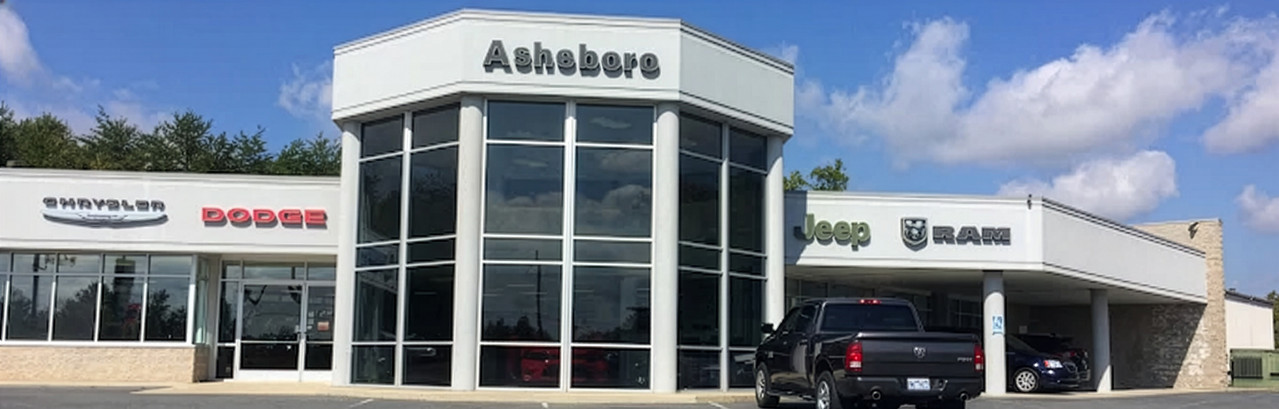
About Asheboro Chrysler Dodge Jeep Ram
As a family-owned dealership, we have proudly served Randolph County and southern Greensboro for over a decade. Our commitment to excellence has earned us the Better Business Bureau's Torch Award for customer service. We are also home to the exclusive Asheboro Advantage, which includes a free lifetime warranty and maintenance with your vehicle purchase. As the only North Carolina dealer to give a car to the United Way for 20 consecutive years and the sponsor of the Santa Sleigh Project, our roots run deep in the community. Trust our team to provide you with an award-winning and community-focused car-buying experience.Related Articles:
How to Find the Right CDJR Dealership in the Heart of North Carolina
Categories:
Finance
 AdChoices