





Author: Asheboro Chrysler Dodge Jeep Ram Team
Welcome to your locally tailored maintenance guide, designed specifically for drivers in Asheboro and surrounding areas like Greensboro, High Point, and Winston-Salem. At Asheboro Chrysler Dodge Jeep Ram, we understand that the unique driving conditions and climate of North Carolina require a customized approach to vehicle maintenance. That’s why this guide is grounded in decades of service experience, ensuring your RAM truck remains reliable and ready for everything from busy weekdays on Dixie Drive to weekend adventures in Uwharrie National Forest. Whether you're navigating the streets of Salisbury or taking a quick trip to Burlington, we'll help you keep your vehicle performing at its best.
Why Should You Follow a Maintenance Schedule for Your RAM?
Adhering to a maintenance schedule is crucial for safeguarding your investment in a RAM and ensuring it remains a reliable companion for your daily travels in Asheboro. The local climate can be tough on your vehicle, with the summer heat and humidity stressing fluids and belts, while the spring pollen can clog air filters. Regularly scheduled service not only addresses these specific challenges but also helps maintain the overall health of your RAM.
By following the recommended maintenance schedule, you enhance your vehicle's performance, fuel efficiency, and safety features. A well-maintained RAM is better suited for quick trips to the North Carolina Zoo or your daily commute along US-220 towards Greensboro. It's about more than just avoiding breakdowns; it's ensuring your truck operates as intended, providing you with peace of mind on every adventure. For further tips on vehicle maintenance, consider checking out Edmunds for valuable insights.
How Does RAM’s Service Reminder System Work?
Many RAM vehicles provide reminders for when maintenance is due, utilizing methods that can vary by model and trim. Some vehicles rely on straightforward time and mileage counters, while others may offer usage-aware reminders that adapt based on driving conditions. Regardless of the approach, the system helps keep you informed about your vehicle's maintenance needs.
When it's time for service, you might see a notification on the dashboard, such as a service indicator or a maintenance reminder. In some cases, vehicles may even display an oil-life percentage. The specifics can differ depending on your vehicle's model and year, so it’s best to consult the owner's manual for the exact details. Local driving patterns, like short trips or frequent stop-and-go traffic in areas like Asheboro or nearby Greensboro and High Point, can influence how often maintenance is required, though the vehicle does not always measure these conditions directly.
What Does the Primary Service Reminder Mean?
After understanding how service reminders work in general, it’s important to recognize what the primary reminder is signaling. This alert serves as a high-level notification that scheduled maintenance is due or approaching. Depending on the RAM model, this reminder may be represented by a simple message or light, while others might provide more detailed information through an in-vehicle maintenance screen or settings menu. Since the specifics can vary by model and year, consulting the owner’s manual or the vehicle's maintenance display is the best way to determine what services are needed.
Primary reminder: A general signal to check your vehicle’s scheduled maintenance recommendations and prepare for service. It indicates that some form of maintenance is approaching, without necessarily detailing every specific item.
Additional details (if shown): Some vehicles may provide extra insights, such as a maintenance menu, percentage completion, descriptive messages, or symbols, which can help clarify what needs attention. If your vehicle presents these additional details, use them in conjunction with the owner’s manual to confirm the recommended services.
What Do Additional Service Indicators Mean?
Some vehicles go beyond the primary service reminder by offering extra details through symbols or menu entries. These indicators can provide insights into what type of maintenance might be approaching, but the specific meanings vary by model. To ensure clarity, it’s always best to refer to your vehicle's owner’s manual or consult the display for precise information.
- Tire rotation: Regular tire rotation promotes even wear and handling. In Asheboro, frequent short trips or stop-and-go traffic can affect tire longevity, making this service vital.
- Engine and cabin air filters: Engine air filters facilitate airflow to the engine, while cabin filters ensure clean air inside. Local conditions, such as pollen in spring or dust from nearby roads, can clog these filters over time.
- Transmission fluid: Monitoring transmission fluid is crucial for long-term vehicle health. If you often drive in heavy traffic or navigate hilly terrain, your transmission may experience added stress.
- Spark plugs and valve clearance check (when applicable): Spark plugs typically require replacement at set intervals, with valve checks for certain engines. This maintenance is especially important for vehicles with higher mileage.
- Engine coolant: Maintaining proper coolant levels is essential for temperature regulation. Hot summer days or extended highway driving can increase the need for coolant checks.
- Rear differential fluid (AWD/4WD, if equipped): For vehicles with AWD or 4WD, differential fluid service is key. Driving through wet conditions or on rough terrain in Uwharrie National Forest can put extra demand on these components.
- Brake fluid: As brake fluid ages, it can absorb moisture, impacting braking efficiency. If your vehicle indicates brake fluid service, it’s important to adhere to the recommended maintenance schedule.
What is a Typical RAM Service Schedule for Asheboro Drivers?

Even with modern vehicles equipped with service reminders, having a general idea of typical maintenance milestones can help you plan ahead. This overview serves as a useful reference to complement your owner’s manual and any in-vehicle guidance available. It is tailored to the common driving conditions around Asheboro, where short trips, stop-and-go traffic along roads like Dixie Drive (US 64 Business) and Fayetteville Street (US 220 Business), and seasonal temperature swings are prevalent.
What Services Are Needed in the First 30,000 Miles?
During the initial 30,000 miles, drivers typically focus on essential services: routine oil changes, tire rotations, and air filter maintenance. The specific timing of these services can vary significantly based on the RAM model, driving habits, and the information outlined in the owner’s manual.
Oil service: For most RAM trucks, oil changes may be needed anywhere from several thousand miles up to around 7,500–10,000 miles, depending on usage. If your driving includes frequent short trips or stop-and-go traffic—like navigating through downtown Asheboro or along Dixie Drive (US 64 Business)—you might find that you need to change the oil more often than if you had a highway-heavy routine.
Tires and filters: Tire rotations are generally recommended early in ownership, often aligned with oil changes or at regular intervals within the first 30,000 miles to promote even tire wear. It's also important to keep an eye on the engine and cabin air filters, as local conditions—including pollen from the spring bloom or dust from nearby construction—can affect their cleanliness. Many drivers around Greensboro and High Point find themselves replacing these filters between 15,000 and 30,000 miles, depending on how dirty the filters get.
What Maintenance Should Be Done Between 30,000 and 60,000 Miles?
As your RAM vehicle approaches 30,000 to 60,000 miles, maintenance transitions from basic upkeep to more comprehensive care aimed at preserving critical systems. The specifics can vary based on your model, engine type, and driving habits, so it’s essential to consult your owner’s manual and any in-vehicle maintenance prompts for guidance.
Transmission fluid: Regular transmission fluid service is often recommended during this mileage range, especially for drivers navigating frequent stop-and-go traffic or hilly roads, such as those around Asheboro and Greensboro. Maintaining clean transmission fluid is crucial for smooth shifting and the longevity of your vehicle's transmission, a complex and vital component.
Brake fluid, brakes, and tires: Brake fluid replacement is typically advised every few years as it can degrade over time, irrespective of mileage. During this phase, it’s also increasingly important to conduct thorough inspections of your brakes and tires. This is vital for ensuring safe stopping power and handling, whether you’re commuting through busy streets or cruising along highways like US-64. For insights into vehicle ratings and reliability across different models, you can check out Consumer Reports.
What Major Services are Required Approaching 100,000 Miles?
As your RAM vehicle nears the 100,000-mile mark, it's important to consider some significant maintenance tasks that often arise. However, the specific services needed can vary based on your model and engine type, so always refer to your owner's manual for the most accurate guidance tailored to your vehicle.
Spark plug replacement: Many RAM models benefit from a spark plug change around this mileage. Fresh spark plugs contribute to smoother operation, efficient fuel use, and reliable starting—especially crucial as wear and tear accumulate over time. Whether you're commuting through Asheboro or heading out to Lake Lucas Park, new plugs can enhance your driving experience.
Timing belt replacement and coolant service: For certain older RAM engines, a timing belt may require replacement at this interval, while many others rely on timing chains that don't have a routine replacement schedule. Additionally, performing a coolant flush or replacement is often recommended to prevent corrosion and overheating in your cooling system, ensuring your truck remains dependable. Staying on top of these critical services can significantly support long-term ownership and vehicle reliability. For insights on maintaining your vehicle's value, check out Kelley Blue Book, which highlights how regular upkeep influences resale value over time.
Why is Local Expertise Important for Servicing Your RAM?
Understanding the unique driving conditions in Asheboro and surrounding areas is crucial for maintaining your RAM. The hot summers can put additional stress on your engine and cooling systems, while the humid climate increases wear on components like brake systems and tires. Pollen from local flora can clog air filters faster than in drier regions, and the red clay prevalent in the area can impact the undercarriage and suspension. Our technicians are trained to identify these region-specific issues, from the stop-and-go traffic patterns on Dixie Drive (US 64 Business) to the more rural roads leading to Uwharrie National Forest, ensuring your RAM is well-prepared for any challenge.
For more information on vehicle safety and maintenance, you can check out the National Highway Traffic Safety Administration (NHTSA) as well as the official RAM Owners site for model-specific resources.
Frequently Asked Questions (FAQs)
How often should I really change my oil in North Carolina's climate?
For Asheboro drivers, it's typically recommended to change your oil every 5,000 to 10,000 miles, depending on your vehicle and oil type. Always check your service reminder or owner's manual for the most accurate guidance, especially during our hot, humid summers.
Are all-season tires enough for the Asheboro area?
Yes, high-quality all-season tires usually suffice for Asheboro’s weather, providing reliable traction in our mild winters and during rainy seasons. This makes them a solid choice for navigating local roads and highways throughout the year.
Does commuting on local highways affect my service intervals?
Absolutely. If you're often stuck in stop-and-go traffic on highways like I-73, it can put extra strain on your engine and brakes, potentially necessitating more frequent service. Vehicles with a service reminder system may adjust for this driving style and recommend service sooner.
With all the pollen, how often should I change my cabin air filter?
It’s wise to inspect your cabin air filter annually, particularly after the heavy pollen season in spring. Many drivers find that replacing it every 12,000 to 15,000 miles keeps the air inside clean and your A/C running efficiently.
Is AWD worth it for this area?
While not essential for everyone, having a RAM with available AWD can be beneficial during heavy rainstorms common in North Carolina, enhancing traction on wet roads. This added stability is especially useful for both local driving and highway commutes.
My vehicle doesn't have a service reminder system. What schedule should I follow?
For older RAM models without a service reminder, aim for an oil change every 5,000 miles with conventional oil or 7,500 miles with synthetic oil. Following the owner’s manual for other maintenance items like filters and fluids is also recommended to keep your vehicle in top shape.
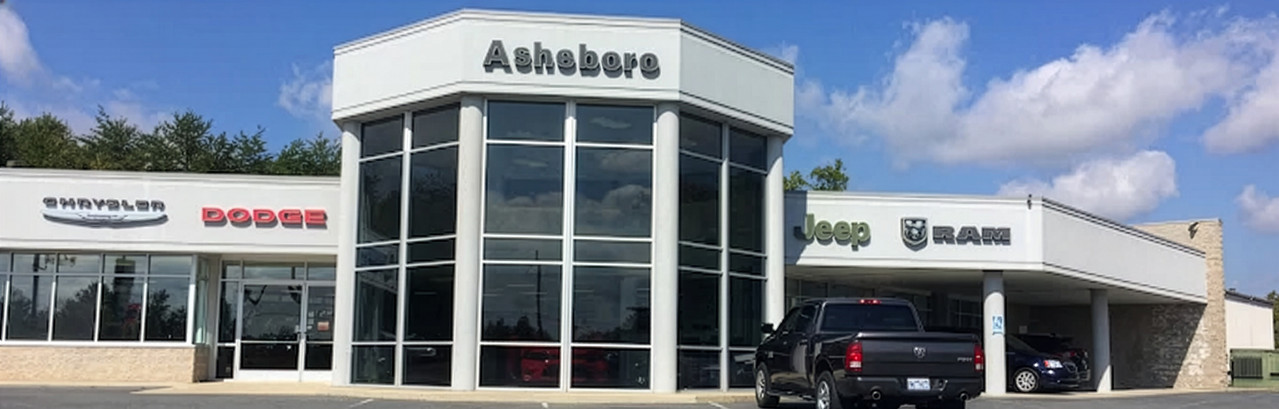
About Asheboro Chrysler Dodge Jeep Ram
As a family-owned dealership, Aheboro CDJR has proudly served Randolph County and southern Greensboro for over a decade. Our commitment to excellence has earned us the Better Business Bureau's Torch Award for customer service. We are also home to the exclusive Asheboro Advantage, which includes a free lifetime warranty and maintenance with your vehicle purchase. As the only North Carolina dealer to give a car to the United Way for 20 consecutive years and the sponsor of the Santa Sleigh Project, our roots run deep in the community. Trust our team to provide you with an award-winning and community-focused car-buying experience.
Related Articles:
How to Find the Right CDJR Dealership in the Heart of North Carolina
Categories:
Social
 AdChoices